

Services

Planting and Delivery
Focused on long term plant health. With proper planting give your plant the best chance at success. The old rule of the thumb is to dig a hole twice as wide as the planting container but about the same depth. Controversially I will sometimes amend the soil with fertilizer and compost. Mulch is also almost always recommended. Fees are based on the container size *Planting prices subject to change based ground conditions and other factors* 5gal $25 15gal $100 25 gal / 24" box $200

Plant maximization
Having a fertilizer schedule is crucial to the long-term success of most non-native plants. The timing and type of fertilization makes a big difference. Not to mention having the knowledge to use additional soil treatments and amendments to further enhance plant growth and development. Mulching, soil ph adjustments and liquid fertilizing are just a few ways to help your plants grow. Additionally, the top two recommendations I can make to add to your soil if it is a heavy clay or heavily compacted is to add gypsum and compost. If you get your soil tested, I can almost guarantee it will be recommended to add organic matter such as compost and gypsum to help reduce the salinity and improve drainage. There are many tricks of the trade, just need to find what works best for your situation.

IPM practices and organic crop production
Intergrated Pest Management is the using the best option available that is the least harmful to the surrounding environment. In nature there is always something trying to take out your plants. IPM is using many methods to identify, prevent and cure plant issues. Diagnostics or second opinion resources are frequently implemented. Using organic products is also very desirable for crops to greatly decrease the worry of chemical contamination and improve the environment for beneficial organisms.

Microclimate identification and Design
Microclimates are crucial to have for all types of plants to survive in the desert. the most common principle is to sart with a nurser tree to provide shade for the plant below. This is even replicated in nature when many types of plants including cactus need the protection of a tree or shrub to get established before it can handle the extremes of the desert. One of the first things you should look at in any growing space is to identify the sun exposure and proximity to water. The best spot in any yard will be the east facing exposure because this will receive shade from the brutal afternoon sun. Conversely, the western and southern exposure will be the hottest and will require plants that are very hardy or will require extra water. The north exposure is area is the trickiest because the sun angle with change quite a bit during the year, usually getting almost none in the wintertime. The design aspect is primarily derived from these elements and finding plants that are compatible to each situation.
Irrigation repair
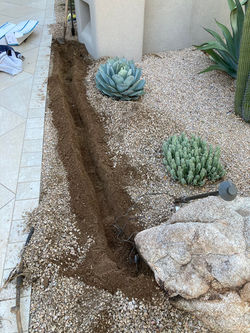
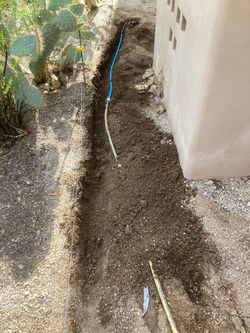
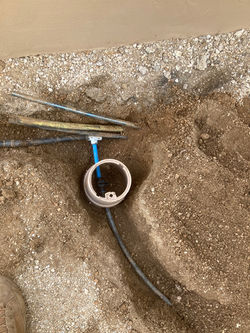
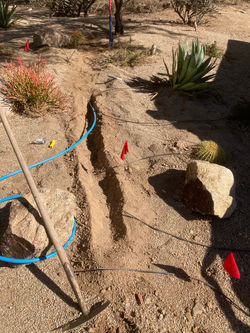
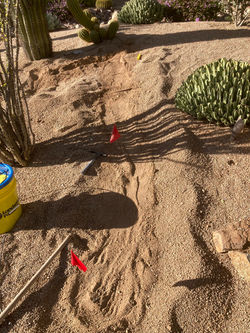
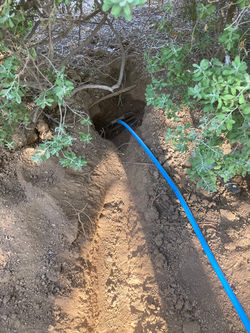
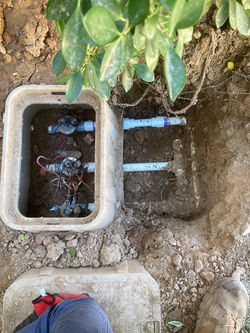
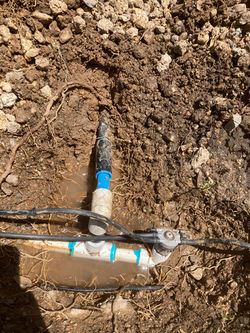
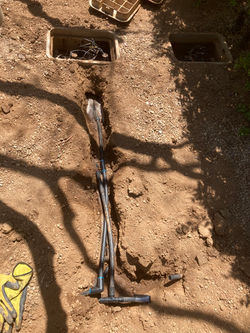
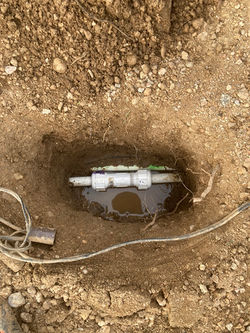
Residential irrigation installation, maintenance and repair.
 |  |  |  |
|---|---|---|---|
 |  |  |  |
 |  |  |  |
 |  |  |  |
 |  |  |  |
 |  |  |
